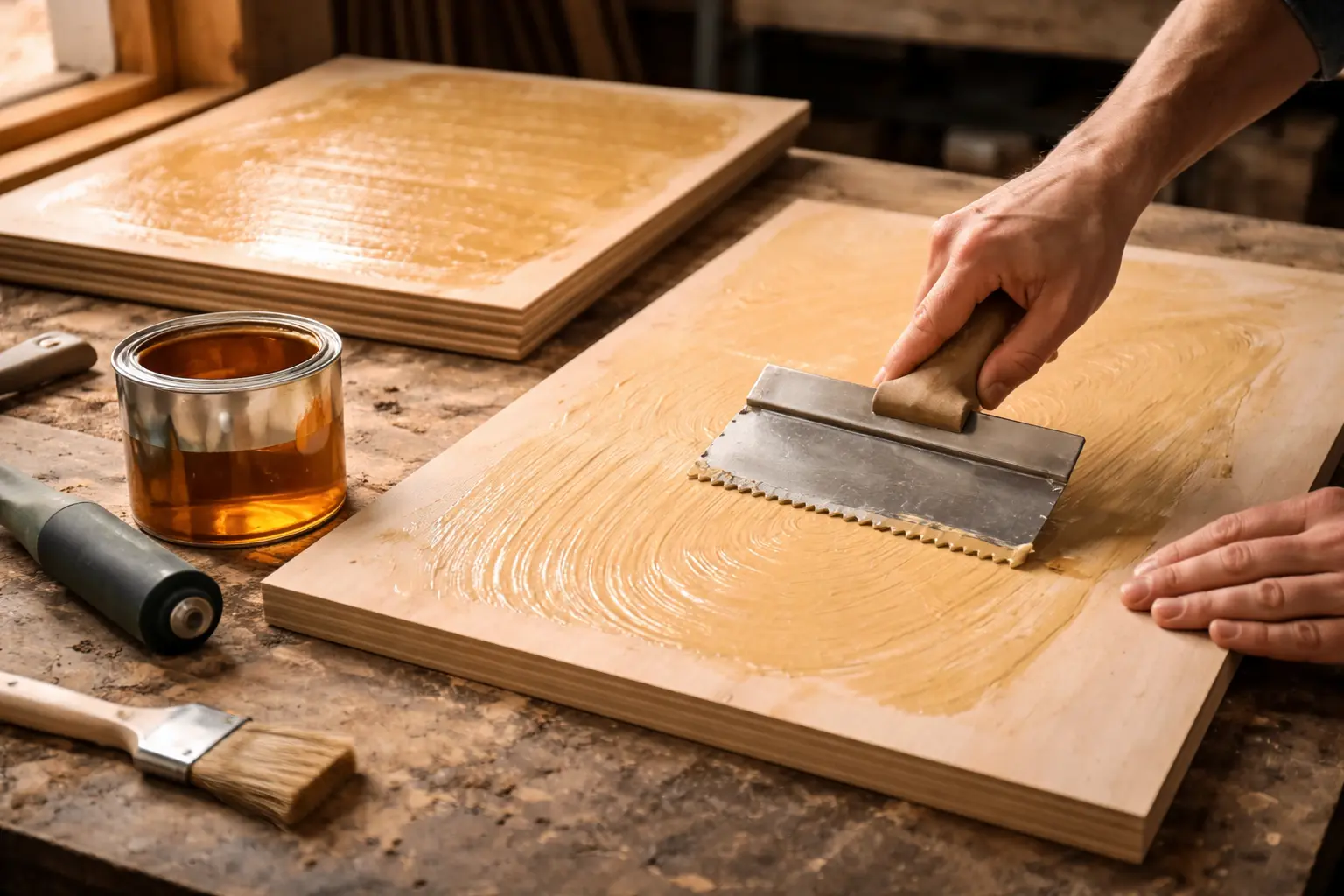
Contact Adhesive Application Guide: Best Practices for Strong Bonds
Step-by-step instructions for applying contact adhesive in industrial settings — surface preparation, application methods, drying time, and troubleshooting weak bonds.
Read More →Technical Guide
Foam bonding is one of the most demanding applications for adhesives. Unlike rigid substrates such as wood, metal, or laminate, foam is porous, compressible, and chemically sensitive. Many general-purpose adhesives either soak into the foam structure without forming a surface bond, or contain solvents that dissolve the foam entirely. This is why spray adhesive has become the standard bonding method in foam-intensive industries — from mattress production to automotive interior assembly.
Spray application delivers a thin, uniform adhesive film across large foam surfaces in seconds. The fine mist pattern avoids saturating the porous foam structure, and the rapid tack development allows efficient production line speeds. However, not all spray adhesives are foam-safe, and selecting the wrong formulation can result in substrate damage, weak bonds, or unacceptable VOC levels in the finished product. This guide covers foam types, adhesive formulations, application methods, and best practices for industrial foam bonding adhesive applications.
Different foam types have vastly different chemical compositions, cell structures, and solvent sensitivities. Understanding these differences is essential for selecting a compatible spray adhesive formulation.
PU foam is the most widely bonded foam type in industrial applications. It is used in mattresses, upholstered furniture, automotive seating, and packaging. PU foam has an open-cell structure that absorbs liquid adhesive readily, so coat weight control is critical. PU foam is generally compatible with both solvent-based and water-based spray adhesives, but aggressive solvents (toluene, xylene) can soften or degrade the cell walls over time. Recommended approach: use foam-safe solvent-based adhesives with non-aggressive solvents, or water-based spray adhesives for low-VOC requirements.
Ethylene-vinyl acetate (EVA) foam is common in footwear midsoles, sports equipment, and craft applications. EVA has a closed-cell structure and moderate chemical resistance. Most solvent-based spray adhesives bond EVA well, but some aggressive solvents can cause surface swelling. Water-based spray adhesives may require primer or surface treatment for reliable adhesion to EVA due to its low surface energy.
Expanded polystyrene (EPS) and extruded polystyrene (XPS) are widely used in construction insulation and packaging. These foams are extremely solvent-sensitive — standard solvent-based spray adhesives containing toluene, acetone, MEK, or aromatic hydrocarbons will dissolve polystyrene on contact. Only water-based spray adhesives or specially formulated foam-safe solvent adhesives (using aliphatic solvents or heptane) are suitable for EPS and XPS bonding. This is the single most important compatibility consideration in foam adhesive selection.
Memory foam is a variant of PU foam with higher density (typically 40-80 kg/m3 vs. 20-35 kg/m3 for standard PU foam). Its denser cell structure absorbs less adhesive, but its higher value means adhesive compatibility is critical — solvent damage to memory foam is costly. Water-based or foam-safe solvent spray adhesives are standard for memory foam bonding in the mattress and sofa industry.
Spray adhesives for foam bonding fall into three main categories, each with distinct performance characteristics, cost profiles, and regulatory implications.
These adhesives use non-aggressive solvents — typically heptane, hexane, or aliphatic hydrocarbon blends — instead of toluene or ketones. They provide fast drying (3-8 minutes open time), high initial tack, and good bond strength. Solvent-based foam-safe adhesives are the workhorse of the upholstery and mattress industries due to their fast cycle times and reliable performance. The trade-off is VOC emissions, which require adequate workshop ventilation and may be restricted in markets with strict environmental regulations.
Water-based formulations eliminate or greatly reduce VOC emissions, making them suitable for enclosed production environments and markets with strict regulations (EU, North America, Australia). Drying time is longer (15-30 minutes vs. 3-8 minutes for solvent-based), which can reduce production throughput. Bond strength is generally comparable to solvent-based adhesives after full cure, but initial green strength is lower. Forced warm-air drying systems can reduce drying time to 5-10 minutes, making water-based adhesives viable for high-volume production.
Aerosol cans (typically 300-750 ml) are convenient for low-volume, repair, or field applications but are expensive per square meter of coverage. Bulk spray adhesive — supplied in 5L, 20L, or 200L drums and applied via pressure-feed spray guns — is the standard for production environments. Bulk systems offer 40-60% lower adhesive cost per m2 and more consistent coat weight control. The upholstery spray adhesive range is available in both formats.
| Formulation Type | Foam Compatibility | Drying Time | Bond Strength | VOC Level | Cost |
|---|---|---|---|---|---|
| Solvent-based (foam-safe) | PU, EVA, memory foam; NOT EPS/XPS unless verified | 3-8 min | High (2-4 N/25mm peel) | Medium-High (300-500 g/L) | Medium |
| Solvent-based (standard) | PU, EVA only; dissolves EPS/XPS | 3-6 min | High (3-5 N/25mm peel) | High (500-700 g/L) | Low-Medium |
| Water-based | All foam types including EPS/XPS | 15-30 min (5-10 with forced drying) | Medium-High (1.5-3 N/25mm peel) | Very Low (<50 g/L) | Medium-High |
| Aerosol (foam-safe) | PU, EVA, memory foam; varies by brand | 2-5 min | Medium (1.5-3 N/25mm peel) | Medium (propellant + solvent) | High (per m2) |
Bond strength values are typical 180-degree peel strength on PU foam-to-PU foam joints at 24-hour cure. Actual results vary with foam density, surface condition, coat weight, and test method.
The application method determines coating uniformity, adhesive consumption, and production speed. Selecting the right equipment for your production volume and part geometry is critical.
Best for: low-volume production, field repairs, prototyping, and small workshops. Typical coverage is 3-5 m2 per 500 ml can. Spray pattern is controlled by the nozzle design — use a wide fan pattern for foam bonding, not a narrow stream. Hold the can 20-30 cm from the surface and apply in smooth, overlapping passes.
Pressure-feed spray guns with 1.5-2.5 mm nozzles are the standard for medium to high-volume foam bonding. Connect to a pressure pot or direct-feed drum system at 2-4 bar air pressure. Spray distance: 25-40 cm. The wider nozzle produces a broad fan pattern that covers large foam surfaces efficiently. Coat weight is controlled by adjusting fluid flow rate, air pressure, and spray speed. Typical throughput: 20-50 m2 per hour with one operator.
For high-volume production lines (mattress factories bonding 500+ units per day), automated spray systems with programmable nozzle arrays deliver consistent coat weight across every panel. These systems reduce adhesive waste by 15-25% compared to manual spraying and eliminate operator-dependent quality variation. Initial investment is significant, but ROI is typically achieved within 12-18 months in high-volume operations.
Following these best practices ensures consistent bond quality and minimizes adhesive waste in foam bonding operations.
Spray adhesive for foam is used across multiple industries, each with specific performance requirements and production environments.
Mattress production is the largest consumer of foam spray adhesive globally. Applications include bonding PU foam layers, attaching memory foam comfort layers to base foam, and laminating fabric covers to foam toppers. Key requirements: high initial tack for immediate handling, low odor (the adhesive is enclosed inside the finished product), and heat resistance to 40 degrees C minimum (storage and transport temperatures). Production lines typically use bulk spray systems with automated or semi-automated application.
In sofa and upholstery manufacturing, spray adhesive bonds foam cushioning to wooden frames, plywood substrates, and spring assemblies. Fabric is then stretched and stapled over the foam. The adhesive must hold the foam securely during the upholstery process without shifting. Good repositionability during the first few seconds of contact is valuable for alignment adjustments.
EPS and XPS insulation boards are bonded to concrete, masonry, and metal substrates in building envelope applications. Only water-based or verified foam-safe spray adhesives can be used — standard solvent-based adhesives dissolve polystyrene insulation on contact. Bond strength must withstand wind loads and thermal cycling. Some building codes require adhesives with specific fire ratings for insulation bonding.
Custom foam packaging inserts for electronics, medical devices, and fragile goods require bonding foam pieces to each other and to corrugated board. Speed and cost efficiency are priorities. Aerosol spray adhesive is common for low-volume custom packaging, while bulk systems serve high-volume operations.
Headliners, door panels, and seat assemblies all involve foam-to-substrate bonding. Automotive applications demand high heat resistance (up to 90 degrees C for sun-exposed surfaces), low fogging values, and strict VOC limits. OEM-approved adhesives are typically water-based or hot-melt, though solvent-based foam-safe adhesives remain common in aftermarket and refurbishment work.
Step-by-step instructions for applying contact adhesive in industrial settings — surface preparation, application methods, drying time, and troubleshooting weak bonds.
Read More →
Compare neutral cure and acetoxy cure silicone sealants — corrosion risk, substrate compatibility, cure speed, cost, and application recommendations.
Read More →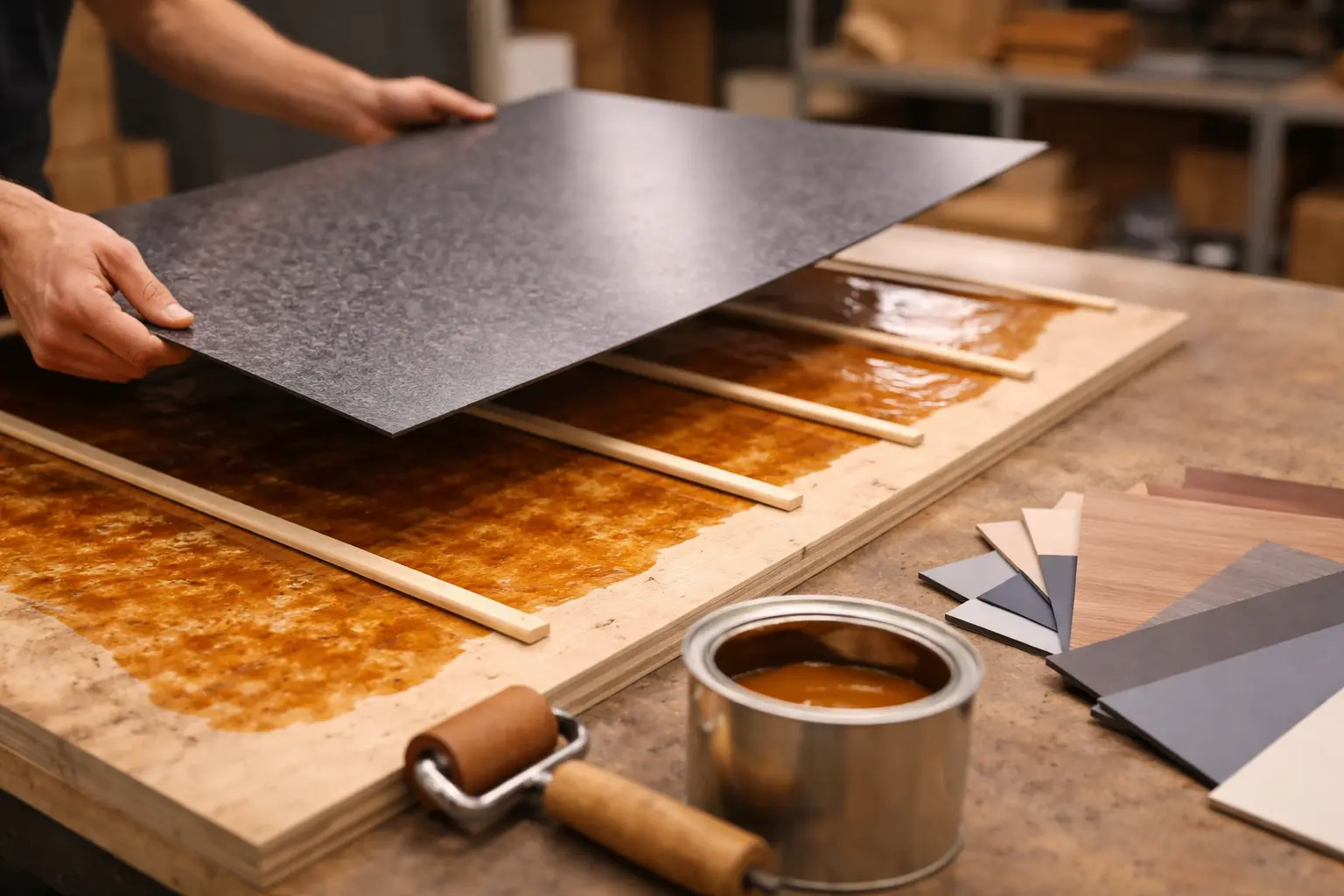
Step-by-step guide to bonding HPL laminate to substrates using contact adhesive — surface prep, application, pressing, and troubleshooting delamination.
Read More →ChinaGluePro manufactures foam-compatible spray adhesives for mattress, sofa, and insulation production. Available in aerosol and bulk formats.