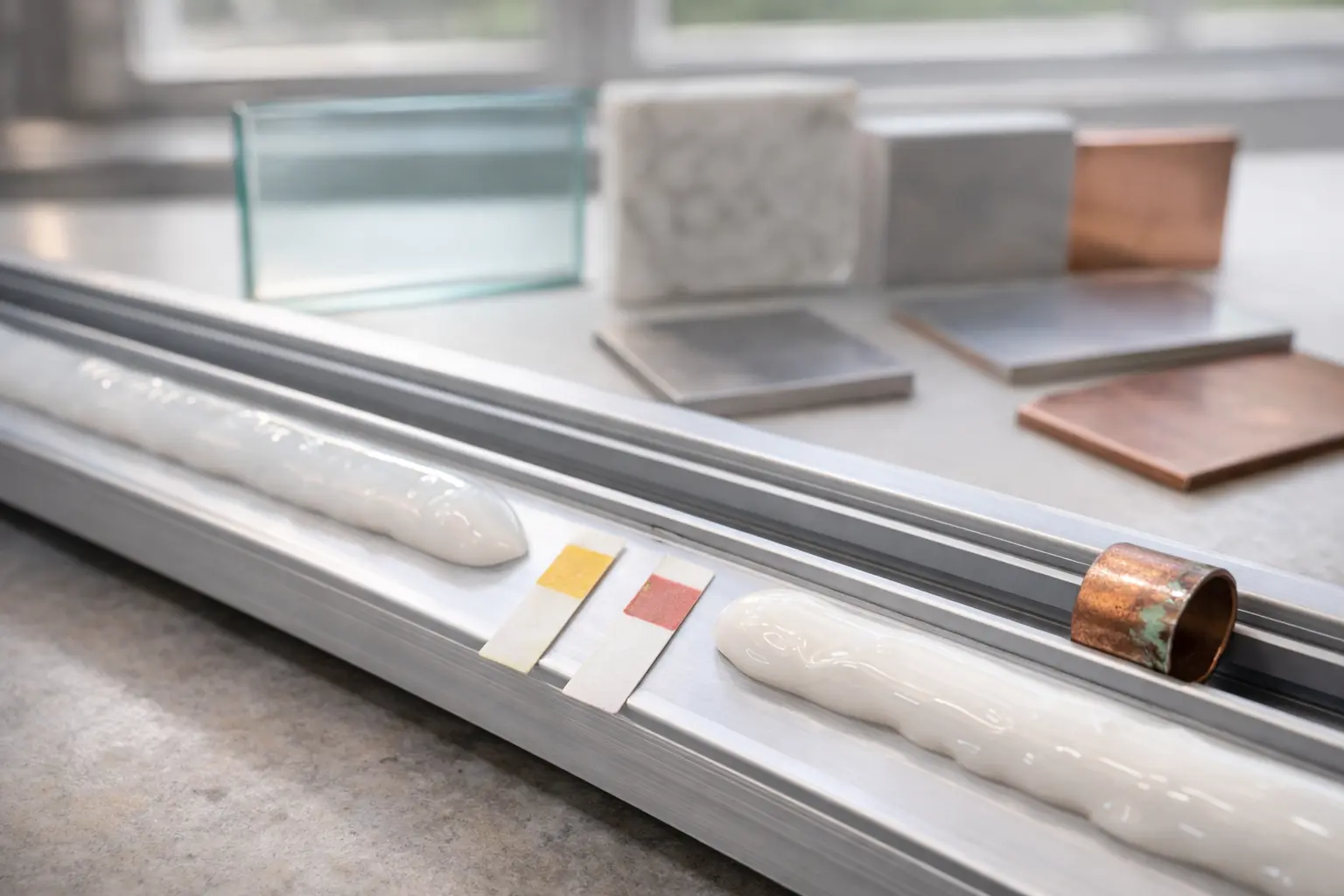
Neutral vs Acetoxy Silicone Sealant: Which One to Use?
Compare neutral cure and acetoxy cure silicone sealants — corrosion risk, substrate compatibility, cure speed, cost, and application recommendations.
Read More →Sourcing Guide
The Middle East construction sector is one of the most demanding environments for sealant products anywhere in the world. Extreme temperatures exceeding 50 degrees C, intense UV radiation, sand-laden winds, and high salinity coastal conditions create performance requirements that separate quality sealants from products that fail within months of application.
From the glass-curtain skyscrapers of Dubai and Riyadh to large-scale infrastructure projects across the GCC, construction-grade silicone sealant and PU foam are essential materials used in virtually every building project. China has emerged as a major supplier to the Middle East sealant market, offering competitive pricing with formulations engineered for extreme climate performance.
This guide helps Middle East contractors, distributors, and project specifiers evaluate Chinese sealant suppliers, select products suited to regional conditions, and manage the import process efficiently.
The GCC countries (Saudi Arabia, UAE, Qatar, Kuwait, Bahrain, Oman) account for the largest share of sealant consumption in the Middle East, driven by ongoing megaprojects and urban development. Saudi Arabia's Vision 2030 alone has generated over USD 1 trillion in planned construction projects, from NEOM to Jeddah Tower to the Red Sea tourism development. Each of these projects consumes thousands of tons of sealant products.
Sealant products used in the Middle East must meet performance thresholds that go beyond standard specifications used in temperate climates. The following table summarizes the critical performance parameters.
| Property | Minimum Requirement | Why It Matters |
|---|---|---|
| Service Temperature Range | -30 to +150 degrees C | Surface temps on dark facades exceed 80 degrees C |
| UV Resistance | No degradation at 5,000+ hours accelerated aging | Middle East receives 2,000+ kWh/m2 solar radiation annually |
| Movement Capability | +/- 25% (low modulus) | Extreme diurnal temperature swings cause joint movement |
| Salt Spray Resistance | 1,000+ hours per ASTM B117 | Coastal cities face constant salt-laden wind exposure |
| Cure Speed (Surface Dry) | Less than 30 minutes at 40 degrees C | Fast skin-over prevents sand adhesion during application |
| Adhesion to Aluminum | Above 0.4 MPa (cohesive failure mode) | Aluminum curtain wall systems are the dominant facade type |
Neutral cure silicone sealant is the dominant type for Middle East construction. Unlike acetoxy cure silicone — which releases acetic acid during curing — neutral cure sealant is non-corrosive and compatible with concrete, natural stone, aluminum, coated glass, and cementitious substrates that are prevalent in Middle East buildings. Read our detailed neutral vs acetoxy silicone comparison for a complete technical breakdown.
Acetoxy silicone is limited to glass-to-glass bonding and non-porous substrates where its faster cure speed (surface dry in 10-15 minutes) offers productivity advantages. In practice, over 80% of sealant used in Middle East construction is neutral cure.
Structural silicone sealant (two-component) carries load and bonds glass to metal in curtain wall systems. It requires third-party testing to ASTM C1184 or ETAG 002 and typically comes with a project-specific warranty from the manufacturer. Weatherproofing silicone (one-component) seals joints against water and air infiltration but does not carry structural load. For most distribution businesses, weatherproofing-grade neutral silicone in 280ml cartridges is the highest-volume product.
PU expanding foam is widely used in Middle East construction for gap filling around window and door installations, sealing pipe penetrations, and providing thermal insulation in wall cavities. The Middle East market has specific requirements that differ from European or Asian markets.
China is the world's largest producer of silicone sealant and PU foam, with manufacturing clusters concentrated in Guangdong, Shandong, and Zhejiang provinces. For Middle East buyers, choosing the right Chinese supplier involves evaluating several critical factors.
| Destination | Key Ports | Transit Time (Sea) |
|---|---|---|
| UAE | Jebel Ali (Dubai), Sharjah, Abu Dhabi | 15 - 20 days |
| Saudi Arabia | Jeddah, Dammam, Riyadh (inland) | 18 - 25 days |
| Qatar | Hamad Port (Doha) | 16 - 22 days |
| Kuwait / Bahrain / Oman | Shuwaikh, Khalifa, Sohar | 17 - 24 days |
| Iraq / Jordan | Umm Qasr, Aqaba | 20 - 28 days |
Silicone sealant in cartridges is not classified as dangerous goods and ships as regular cargo — a significant logistics advantage over solvent-based adhesives. A standard 20ft container holds approximately 30,000-36,000 cartridges (280ml) or 1,200-1,500 sausage packs (600ml). PU foam cans are classified as Class 2.1 aerosol (if propellant-based) and require DG handling, which adds USD 200-400 per container to shipping costs.
All construction materials imported into GCC countries must comply with GSO (Gulf Standards Organization) requirements. For sealant products, key certifications include SASO conformity certificate for Saudi Arabia, Emirates Quality Mark (EQM) or ESMA registration for UAE, and QGOSM marking for Qatar. Most certifications require product testing against relevant ISO or ASTM standards and can be obtained through authorized conformity assessment bodies. Processing time is typically 4-8 weeks.
ChinaGluePro maintains current certifications for GCC market access and assists distributors with the documentation required for smooth customs clearance across all major Middle East destinations.
Compare neutral cure and acetoxy cure silicone sealants — corrosion risk, substrate compatibility, cure speed, cost, and application recommendations.
Read More →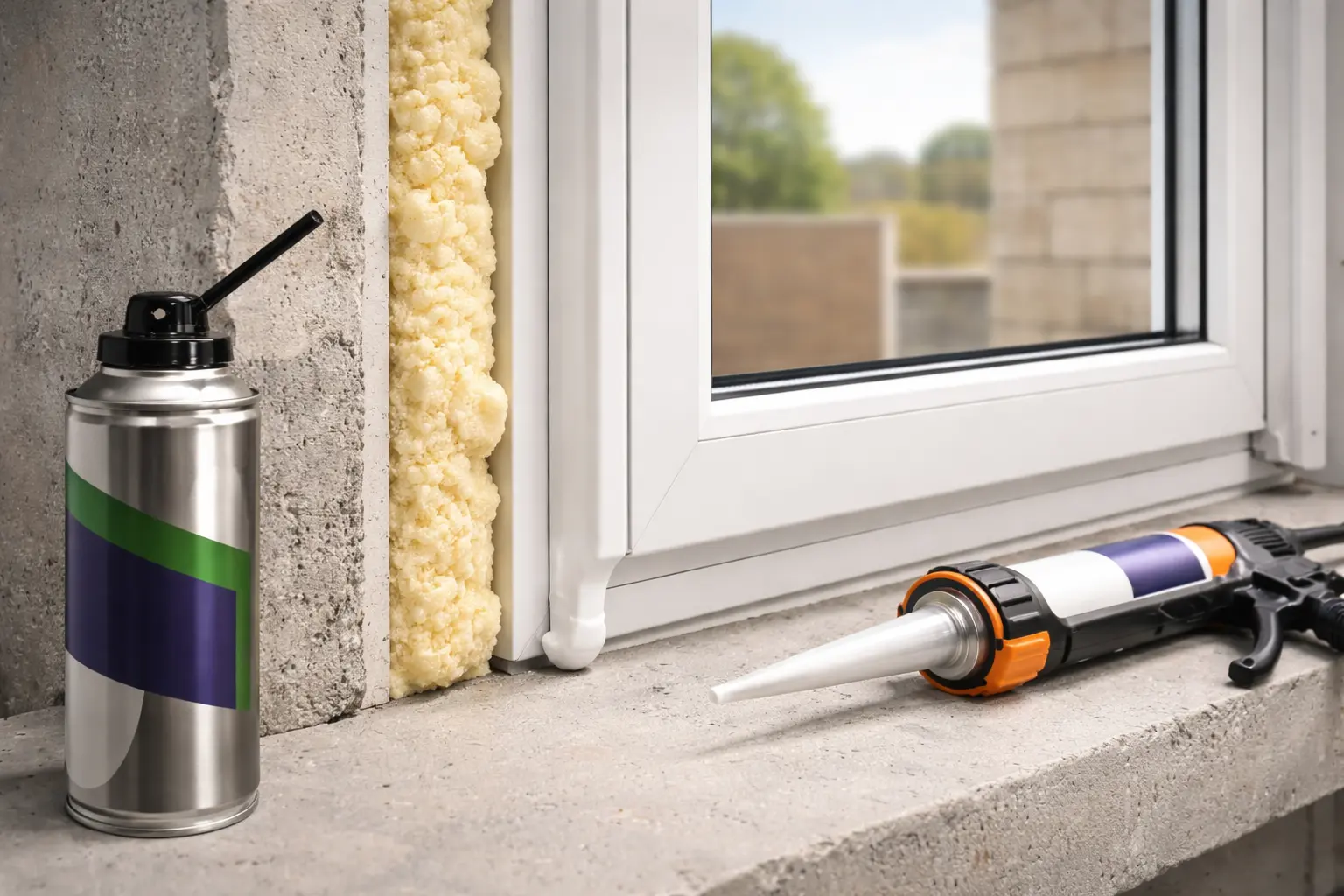
Understand the differences between PU foam and silicone sealant — gap filling, waterproofing, insulation, and the right product for each construction application.
Read More →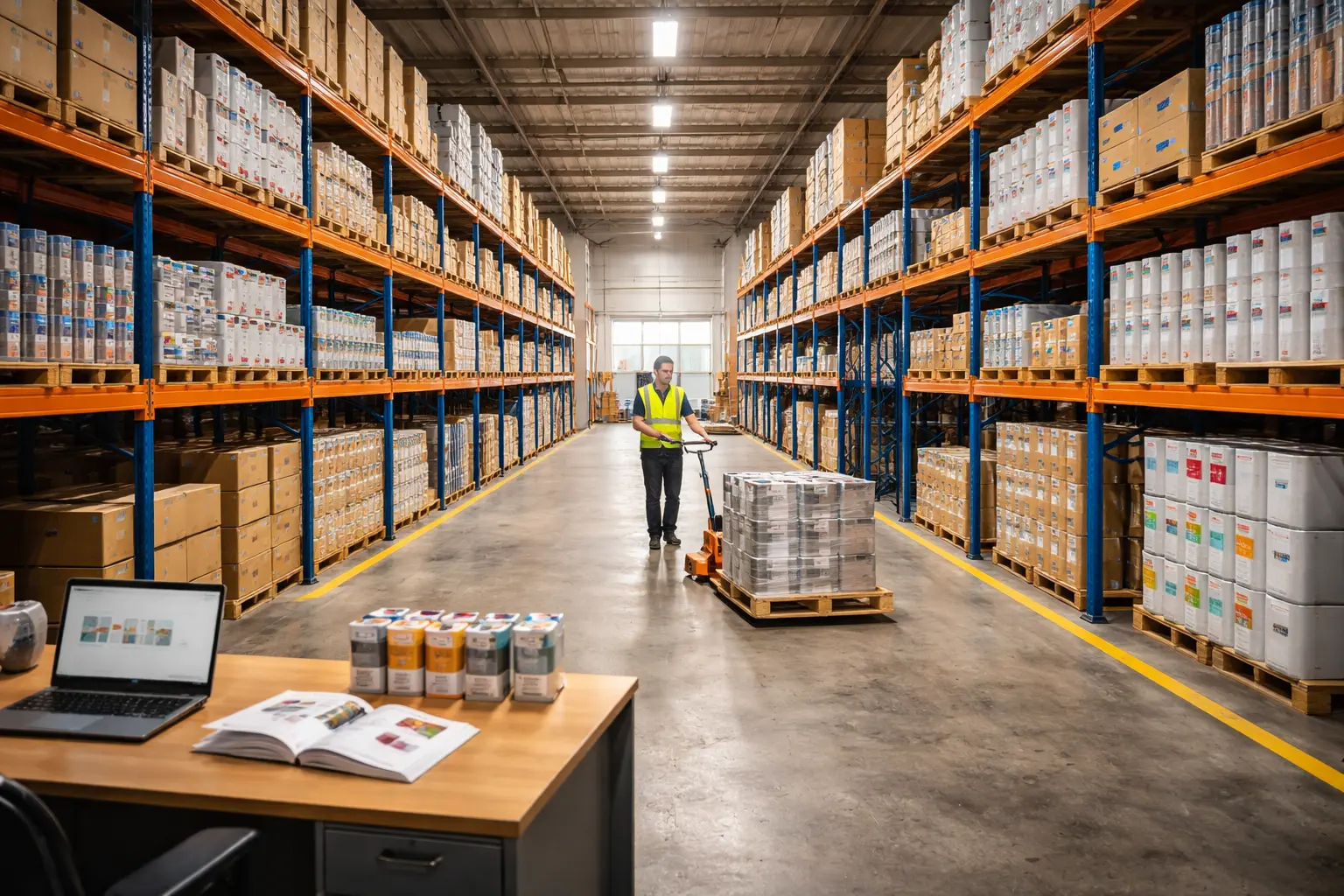
What to look for in an adhesive distribution partner — evaluation criteria, partnership models, inventory management, and building a profitable adhesive business.
Read More →ChinaGluePro manufactures silicone sealant and PU foam engineered for extreme heat and UV conditions. Get product samples, test reports, and competitive pricing for GCC markets.