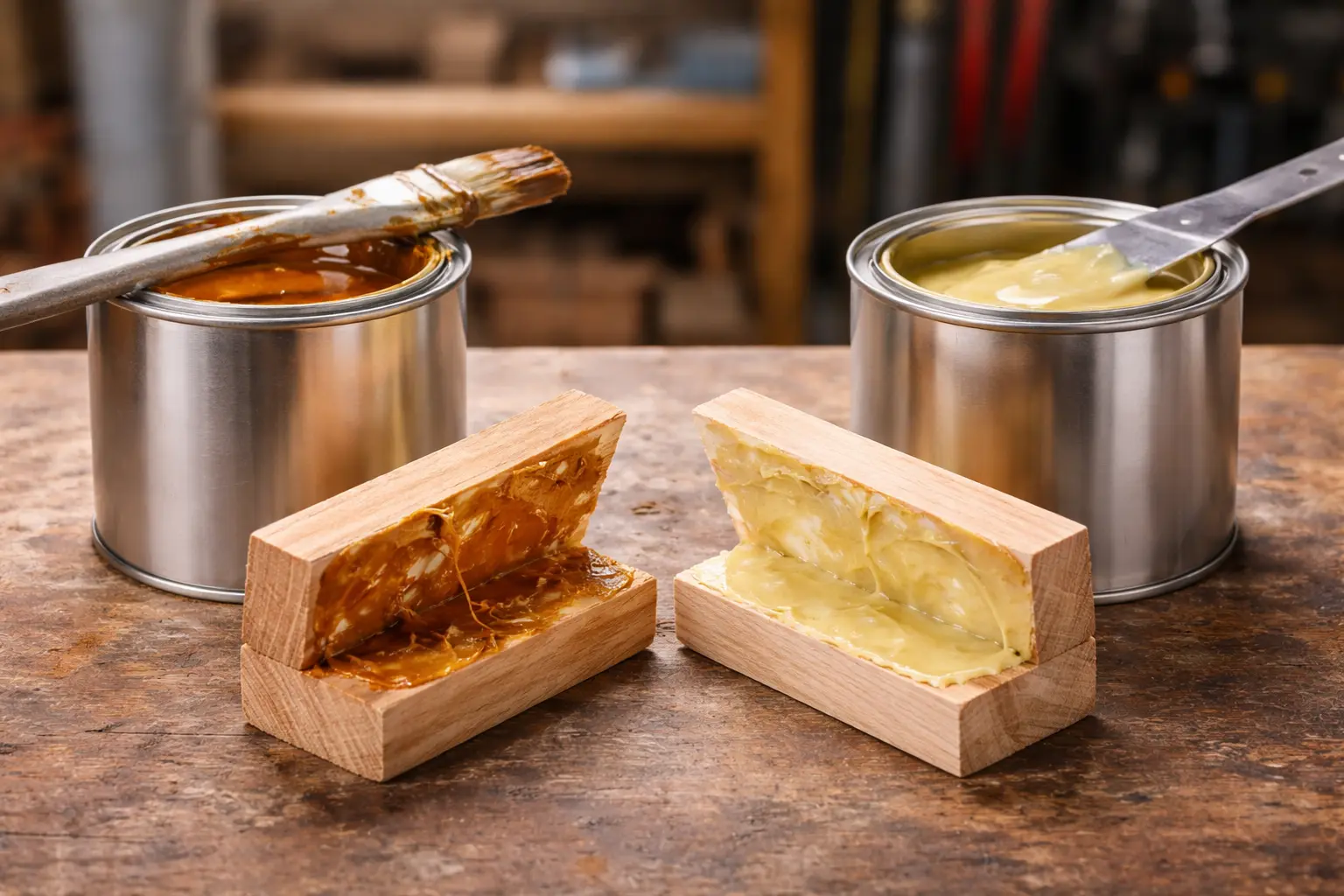
Neoprene vs SBS Contact Adhesive: Complete Comparison Guide
A detailed comparison of neoprene (CR) and SBS contact adhesives — covering bond strength, heat resistance, cost, and ideal applications for industrial buyers.
Read More →The global footwear industry produces over 24 billion pairs of shoes every year. Behind every pair — from athletic trainers to leather dress shoes to industrial safety boots — adhesive plays a critical structural role. In modern shoe manufacturing, mechanical fastening (stitching, nailing) has largely been replaced or supplemented by adhesive bonding, making adhesive selection one of the most consequential decisions a footwear factory makes.
The wrong adhesive leads to sole delamination, upper separation, customer returns, and damaged brand reputation. The right adhesive delivers consistent bond strength, production efficiency, and long-term durability across thousands of pairs per day. This guide covers the adhesive types, selection criteria, and practical considerations that footwear manufacturers need to make informed sourcing decisions.
Shoe manufacturing involves multiple bonding stages, each with distinct adhesive requirements. Understanding these stages is essential for selecting the right adhesive system for your production line.
The upper is assembled from multiple components — leather panels, synthetic overlays, fabric linings, reinforcement tapes, and decorative elements. Contact adhesive (neoprene or SBS-based) is the primary adhesive used here, applied to both surfaces and bonded after a controlled open time of 5-15 minutes. Bond strength requirements are moderate (peel strength of 2.0-3.5 N/mm), but the adhesive must bond reliably across diverse substrate combinations.
During lasting, the upper is pulled over the last and secured to the insole board. This operation demands fast tack development and strong initial grab. Hot melt adhesives and solvent-based contact adhesives are both used, depending on the lasting method (cement lasting, strobel lasting, or slip lasting). Typical lasting adhesive consumption is 3-6g per pair.
Sole attachment is the most critical bonding stage. This joint must withstand repeated flexing (100,000+ cycles in standard testing), temperature extremes from -10°C to 60°C during wear, moisture exposure, and mechanical stress during the shoe's lifetime. PU (polyurethane) adhesive is the industry standard for this application, offering peel strength of 4.0-6.0 N/mm and outstanding flex resistance. For lower-cost footwear, neoprene contact adhesive is a viable alternative.
Final assembly includes attaching insoles, heel pads, brand labels, and packaging elements. Latex adhesive and water-based adhesive are commonly used for these non-structural bonds, where low odor and fast drying are priorities. Adhesive consumption at this stage is typically 2-4g per pair.
Five major adhesive categories are used in footwear production. Each serves a specific function in the manufacturing process, and most shoe factories use three or more types simultaneously.
PU adhesive is a two-component or single-component solvent-based system that forms a crosslinked bond with exceptional strength and flexibility. It is the default choice for sole bonding on athletic shoes, safety boots, and any footwear requiring high durability. PU adhesives develop full bond strength after 24-72 hours of curing and provide heat resistance up to 80-100°C. Their ability to bond dissimilar materials — rubber to EVA, leather to TPR, fabric to PU foam — makes them indispensable in multi-material shoe construction. View our PU shoe adhesive range.
Neoprene contact adhesive is a solvent-based polychloroprene system offering rapid bonding and good heat resistance (up to 100-120°C). In shoe manufacturing, it is used for upper assembly, lining attachment, and general-purpose bonding. Neoprene provides peel strength of 2.5-4.0 N/mm and develops immediate bond upon contact after proper open time. It is cost-effective and widely available, making it the workhorse adhesive in factories across Southeast Asia, Africa, and Latin America.
Water-based adhesives (typically polyurethane dispersion or acrylic-based) are gaining adoption in footwear manufacturing due to low VOC emissions and improved workplace safety. They are suitable for upper assembly, insole lamination, and lining attachment. Bond strength is moderate (1.5-3.0 N/mm peel strength), and drying time is longer than solvent-based alternatives (15-30 minutes vs. 5-10 minutes). Factories exporting to EU markets with strict VOC regulations increasingly specify water-based adhesives for non-critical bonding stages.
Hot melt adhesives are thermoplastic systems applied in molten form at 120-180°C, solidifying within seconds to form a bond. In shoe manufacturing, they are primarily used for toe puff and counter stiffener application, where fast set time is critical for production speed. Hot melts are also used in some automated lasting operations. They provide moderate bond strength (1.5-2.5 N/mm) but excellent production efficiency.
Natural or synthetic latex adhesive is used for insole lamination, sock lining attachment, and other low-stress bonds. It offers easy application via brush or spray, fast tack development, and very low cost. Latex adhesive is not suitable for structural bonds but serves well for finishing operations where repositionability and low odor are valued.
| Adhesive Type | Primary Use | Peel Strength | Heat Resistance | Drying Time | Cost Level |
|---|---|---|---|---|---|
| PU (Polyurethane) | Sole bonding | 4.0-6.0 N/mm | 80-100°C | 8-15 min | High |
| Neoprene (CR) | Upper assembly, general bonding | 2.5-4.0 N/mm | 100-120°C | 5-10 min | Medium |
| Water-Based | Upper assembly, insole lamination | 1.5-3.0 N/mm | 60-80°C | 15-30 min | Medium |
| Hot Melt | Toe puff, counter stiffeners | 1.5-2.5 N/mm | 70-90°C | 5-30 sec | Medium-High |
| Latex | Insole, sock lining | 0.5-1.5 N/mm | 40-60°C | 5-10 min | Low |
Different footwear categories place different demands on adhesive performance. Selecting the right adhesive system for your product line requires matching bond requirements to the specific stresses each shoe type will encounter.
Athletic footwear demands the highest adhesive performance due to repeated high-stress flexing, impact, and exposure to sweat and moisture. PU adhesive is mandatory for sole bonding — most athletic shoe brands require peel strength above 4.0 N/mm and flex resistance exceeding 100,000 cycles. Upper assembly typically uses neoprene contact adhesive for panel bonding and hot melt for stiffener application. Total adhesive consumption: 15-25g per pair.
Dress shoes use a combination of PU adhesive for sole bonding and neoprene contact adhesive for upper construction. The bonding challenge here is primarily substrate-related — genuine leather requires proper roughing (80-120 grit) to create mechanical adhesion. Leather sole shoes may also use a combination of cement and Blake or Goodyear stitching for added durability. Adhesive consumption: 10-18g per pair.
Safety footwear must meet EN ISO 20345 or equivalent standards, which include specific sole adhesion requirements (peel strength typically above 4.0 N/mm). PU adhesive is the standard for sole bonding, often combined with a PU primer on the rubber outsole. Safety boots also require high heat resistance — adhesive joints must withstand 120-150°C in heat-resistant models. The adhesive bond in safety footwear is a regulated performance metric, not just a manufacturing preference.
Lower-cost and casual footwear such as sandals and slippers can use neoprene contact adhesive for most bonding operations, including sole attachment. The mechanical stress on these bonds is significantly lower than athletic or safety footwear, and neoprene shoe adhesive provides adequate durability at a lower cost point. EVA sandals may use hot melt adhesive for strap attachment. Adhesive consumption: 5-10g per pair.
Adhesive bond failure in shoe manufacturing is more often caused by inadequate surface preparation than by adhesive quality itself. Proper substrate preparation is non-negotiable for achieving reliable bond strength.
Roughing creates a mechanical texture on smooth substrates, dramatically increasing the bonding surface area. Leather uppers should be roughed with 80-120 grit abrasive to remove the surface finish. Rubber outsoles require roughing with 36-60 grit to remove the mold release layer. PU and synthetic materials need light roughing with 120-180 grit. Roughing depth should penetrate the surface coating without damaging the structural substrate — typically 0.1-0.3 mm.
After roughing, substrates must be cleaned with a suitable solvent (MEK, acetone, or specialized shoe cleaner) to remove dust, oil, and contamination. Clean within 30 minutes of roughing and apply adhesive within 4 hours to prevent surface oxidation. In humid environments (above 60% relative humidity), the cleaning-to-bonding window should be shortened.
Primers are chemical agents that modify substrate surface energy to improve adhesive wetting and bonding. Primers are essential for the following substrates:
Even experienced shoe factories encounter adhesive bond failures. The following troubleshooting guide covers the most common issues and their corrective actions.
| Problem | Likely Cause | Solution |
|---|---|---|
| Sole peels off cleanly | No primer on EVA/rubber sole, or mold release not removed | Apply appropriate primer after roughing and cleaning |
| Adhesive remains tacky, won't set | Insufficient open time, or humidity above 80% | Extend open time; use heat reactivation at 65-75°C |
| Bubbling or blistering under sole | Solvent trapped in bond line; adhesive layer too thick | Apply thinner, even coats; ensure full solvent flash-off before pressing |
| Bond fails after 1-2 weeks | PU adhesive not fully crosslinked; insufficient hardener ratio | Verify hardener dosage (typically 3-5% by weight); allow 48-72 hr cure before packing |
| Upper panels delaminating | Insufficient contact pressure or bonding past open time window | Apply firm pressure within open time; use roller or press equipment |
| Adhesive strings or gels during application | Adhesive has exceeded pot life or shelf life | Check manufacture date; use within specified shelf life (typically 6-12 months) |
China is the world's largest producer of industrial adhesives, with Guangdong province (particularly Foshan and Dongguan) serving as the primary manufacturing hub for footwear adhesives. Sourcing directly from Chinese manufacturers offers cost advantages of 30-50% compared to multinational brands, while maintaining comparable performance when proper quality controls are in place.
Before switching adhesive suppliers or introducing a new adhesive into production, factories should conduct the following tests:
A detailed comparison of neoprene (CR) and SBS contact adhesives — covering bond strength, heat resistance, cost, and ideal applications for industrial buyers.
Read More →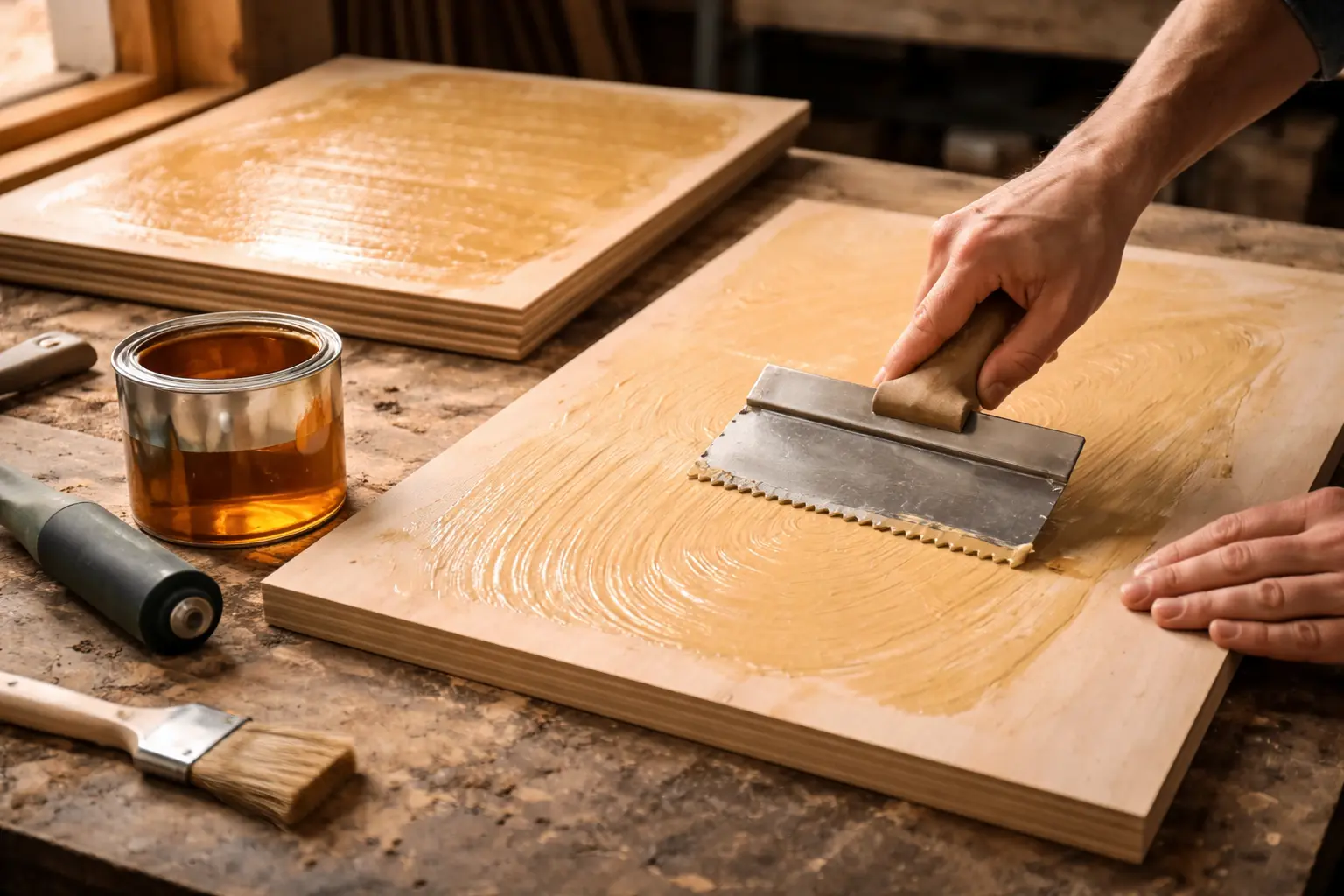
Step-by-step instructions for applying contact adhesive in industrial settings — surface preparation, application methods, drying time, and troubleshooting weak bonds.
Read More →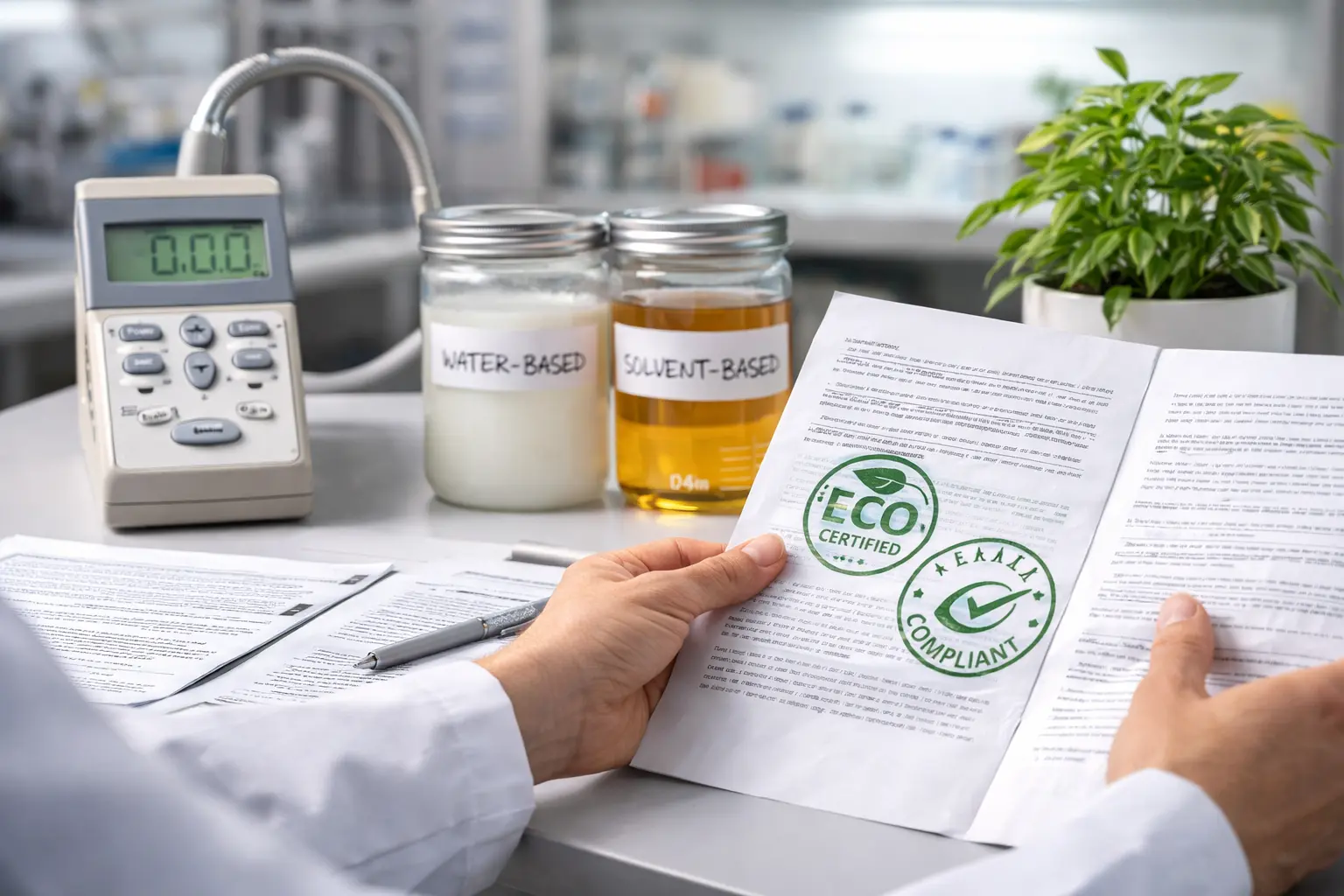
Navigate VOC regulations and find the right low VOC contact adhesive for your market. Covering EU REACH, US EPA standards, and practical sourcing advice.
Read More →ChinaGluePro supplies PU, neoprene, and water-based shoe adhesives to footwear factories across Asia, Africa, and Latin America. Get samples and technical support.